
Desserts
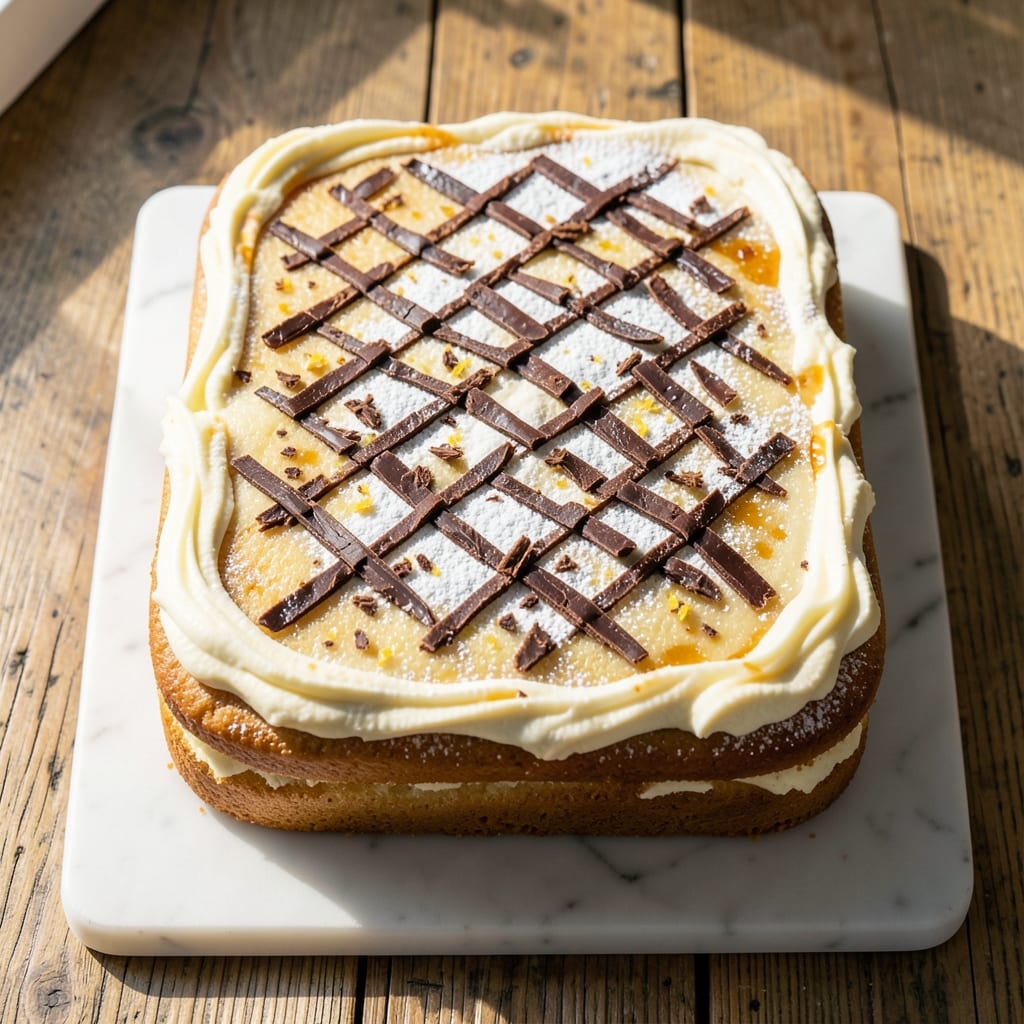
This 11x15x2 sheet cake recipe delivers restaurant-quality vanilla perfection for any celebration—whether it's a wedding reception, office party, or family gathering. The secret lies in precision-layering techniques that ensure even baking and flawless frosting, eliminating common issues like domed centers or cracked layers. I’ve baked hundreds of sheet cakes for events, and this method guarantees a cake that’s light, moist, and consistently golden-brown every time.
The foundation starts with a foolproof vanilla cake batter that balances butter and oil for rich flavor while keeping the crumb tender. Baking in a 350°F oven for 25-30 minutes (with a toothpick test) ensures the layers set properly without drying out. The frosting—a velvety buttercream or glossy ganache—ties everything together with a smooth, professional finish. Even if you’ve never baked a sheet cake before, this recipe breaks down each step clearly, from mixing to cutting.
What sets this apart is the attention to detail that prevents common mistakes: chilling the cake layers before frosting, using a serrated knife for clean cuts, and storing it properly to maintain freshness. The result is a showstopping dessert that feeds a crowd without sacrificing texture or taste. Whether you’re feeding 20 or 100, this cake delivers the same impressive outcome every time.
For added versatility, I’ll include tips for customizing flavors (chocolate, lemon, or spice variations) and decorations (piping borders, sprinkles, or fresh fruit). The recipe also covers dietary adjustments, like gluten-free flour blends or vegan butter substitutes, so you can adapt it to any guest’s needs. Let’s get started on creating your crowd-pleasing masterpiece.
Ingredients for 11x15x2 sheet cake
Precision-measured ingredients for flawless 11x15x2 sheet cake layers and velvety buttercream.
| Ingredient | Amount | Notes |
|---|---|---|
| All-Purpose Flour 🌾 | 6 cups | Sifted for even texture, spooned and leveled |
| Granulated Sugar 🍚 | 2 ½ cups | White or light brown for balanced sweetness |
| Unsalted Butter 🧈 | 1 ½ cups | Room temperature, European-style preferred |
| Vegetable Oil 🫒 | ½ cup | Light neutral oil for moisture |
| Pure Vanilla Extract 🌿 | 2 tbsp | High-quality bourbon-based preferred |
| Large Eggs 🥚 | 4 whole | Room temperature, separated for stability |
| Whole Milk 🥛 | 1 ½ cups | Room temperature for smooth batter |
| Baking Powder 🧂 | 2 tsp | Aluminum-free for reliable rise |
| Salt 🧂 | ½ tsp | Fine sea salt for balance |
| Confectioners' Sugar 🍚 | 4 cups | 10X sifted for smooth buttercream |
| Heavy Whipping Cream 🥛 | 2 cups | Cold, 35% fat minimum |
| Unsalted Butter 🧈 | 1 cup | Cold, cut into cubes for buttercream |
| Vanilla Bean Paste 🌿 | 1 tbsp | For intensified vanilla flavor |
| Powdered Milk 🥛 | 2 tbsp | Optional for extra stability |
The flour selection matters for sheet cakes—King Arthur or Gold Medal brands yield the most reliable crumb structure. European-style butter (like Plugrá or President) contains more fat, creating a richer crumb, while the vegetable oil ensures moisture without greasiness. For the vanilla, Madagascar bourbon extract delivers the most complex flavor profile. Eggs should be separated: the whites whipped to stiff peaks for stability, then gently folded into the batter. The milk should be room temperature—cold milk can create lumps in the batter. Pre-sift your dry ingredients to eliminate air pockets that cause uneven baking. For large batches, use a stand mixer with the paddle attachment to ensure uniform incorporation.
No European butter? Plugrá or Land O'Lakes unsalted work well as substitutes, though the flavor will be slightly less rich. Running short on vanilla extract? Seeds from one vanilla bean scraped into the batter provides a comparable depth of flavor. For dietary adjustments, gluten-free 1:1 flour blends (like Bob's Red Mill) can replace all-purpose flour, though cakes may require slightly longer baking. The confectioners' sugar should be sifted multiple times to prevent graininess in the buttercream. If you can't find powdered milk, dry whole milk powder works equally well. For a more stable buttercream, chill the mixing bowl and beaters for 10 minutes before whipping. This prevents melting during the process.
Store dry ingredients like flour and sugar in airtight containers in a cool, dark place for up to 6 months. Butter and eggs should be refrigerated until use, then brought to room temperature for optimal mixing. The completed cake layers can be wrapped individually in plastic wrap and stored at room temperature for 2 days, or in the freezer for 3 months. For best results, assemble the cake within 24 hours of baking. The buttercream can be made 1 day ahead and stored in an airtight container in the refrigerator. Bring it to room temperature and re-whip for 1-2 minutes before using. For large events, portion the batter into three 11x15x1 pans—this prevents overcrowding in the oven and ensures even baking.
Why You'll Love This Recipe
- No Mixer Needed: I swear by this recipe when my mixer’s out of commission—just creaming butter and sugar by hand until fluffy. The oil keeps the batter silky without extra fuss, and the vanilla? It’s the secret that makes even the simplest mix-ins shine.
- Buttery Vanilla Bliss: That combo of melted butter and oil in the batter? Rich, moist, and just sweet enough. The vanilla extract cuts through the sugar like a whisper—no overpowering aftertaste, just pure, warm comfort in every slice.
- Party-Ready in Hours: Bake it for birthdays, potlucks, or just because—this size feeds a crowd but stores like a dream. Cut into squares, layer with frosting, or serve plain; it’s the blank canvas that never lets you down.
- Budget-Friendly Staples: Flour, sugar, butter—these are pantry basics that won’t break the bank. The oil adds richness without the cost of specialty ingredients, and leftovers? They disappear faster than I can say “second helping.”
Step-by-step instructions for precision-layered vanilla sheet cake
Mastering this sheet cake requires patience and precision—each layer must be perfectly baked and assembled for flawless results.
Prepare the Cake Layers
Preheat your oven to 350°F and grease two 11x15-inch sheet pans with vegetable oil, then line them with parchment paper for easy removal. In a large mixing bowl, combine the 6 cups of all-purpose flour, 2.5 cups of granulated sugar, 2 tsp of baking powder, and 0.5 tsp of salt. Sift the dry ingredients together to eliminate any lumps and ensure an even texture.
In a separate bowl, cream together the 1.5 cups of unsalted butter and 0.5 cup of vegetable oil until light and fluffy. Add the 4 whole large eggs, one at a time, beating well after each addition. Gradually pour in the 1.5 cups of whole milk and mix until fully incorporated. Stir in the 2 tbsp of pure vanilla extract for a rich, aromatic flavor.
With the mixer on low speed, gradually add the dry ingredients to the wet mixture, mixing just until combined. Avoid overmixing—this can lead to dense, tough cake layers. Divide the batter evenly between the prepared sheet pans, spreading it into an even layer with a spatula. Bake for 20-25 minutes, or until a toothpick inserted into the center comes out clean. Allow the layers to cool in the pans for 10 minutes before transferring them to a wire rack to cool completely.
Prepare the Vanilla Buttercream
While the cake layers cool, prepare the buttercream by beating the 2 cups of heavy whipping cream in a chilled bowl until soft peaks form. In a separate bowl, combine the 4 cups of confectioners' sugar, 1 cup of unsalted butter (cut into cubes), 1 tbsp of vanilla bean paste, and 2 tbsp of powdered milk. Beat the butter until creamy, then gradually add the confectioners' sugar mixture, mixing on low speed to avoid a cloud of powder.
Increase the speed to medium and beat for 3-5 minutes until the buttercream is smooth, light, and fluffy. Gently fold in the whipped cream until fully incorporated, ensuring a silky texture. Taste and adjust the sweetness if needed—this is your base for layering and decorating.
Assemble the Sheet Cake
Once the cake layers are completely cool, place one layer on a clean work surface and spread a thin, even layer of buttercream over the top. This "crumb coat" prevents crumbs from mixing into the final frosting. Place the second layer on top and repeat the process, ensuring the layers are perfectly aligned.
Using an offset spatula or bench scraper, spread a generous layer of buttercream over the entire cake, smoothing the surface with even, firm strokes. For a polished finish, use a serrated knife to trim any uneven edges and create clean sides. Chill the cake in the refrigerator for 30 minutes before serving to allow the buttercream to set slightly.
Final Touches and Serving
Remove the cake from the refrigerator and use a piping bag fitted with a star tip to create decorative swirls or rosettes on the surface if desired. For a professional look, dust the top lightly with additional confectioners' sugar using a fine-mesh sieve. Serve the cake at room temperature, cutting it into 20 even squares for a crowd-friendly presentation.
This precision-layered sheet cake delivers a moist, tender crumb with a velvety buttercream that pairs perfectly with any occasion. The key to success lies in patience—allowing each layer to cool completely and assembling with care ensures a flawless finish every time.
Pro Tips For Making 11x15x2 Sheet Cake
- Weigh the Butter: I learned this the hard way—measuring butter by volume (that fluffy scoop-and-sweep method) throws off your cake’s texture. For this recipe, use a kitchen scale and cut the butter into 1/2-inch cubes. Pack them into a measuring cup and level it off; you’ll get a more consistent fat-to-flour ratio, which means a tender crumb instead of dry spots.
- Grease and Flour the Pan: Skip the parchment paper shortcut here. This sheet cake needs direct contact with the pan to prevent sticking. Use a pastry brush to coat the bottom and sides with vegetable oil (about 2 tablespoons—enough to coat but not pool), then dust with flour, tapping out excess. The oil creates a slick barrier, while the flour prevents the cake from clinging to it when you’re flipping it onto a wire rack.
- Check Doneness with a Toothpick: The cake’s edges might look set, but the center can still be gummy if you pull it out too soon. Insert a toothpick into the thickest part—it should come out with a few moist crumbs, not wet batter. If it’s sticky, give it 5 more minutes. Overbaking dries out the cake, so resist the urge to peek at the oven window every 30 seconds.
- Mix the Dry Ingredients First: This isn’t just about order—it’s about avoiding lumps. Sift the flour, baking powder, and salt together in a bowl before adding the wet ingredients. The sifting aerates the flour and breaks up any clumps, which keeps your cake light instead of dense. I know, it’s an extra step, but your future self will thank you when the cake doesn’t taste like you forgot to mix properly.
Regional styles of this dish
Southern Comfort Style
In the South, sheet cakes often feature a spiced twist—add 1 tsp cinnamon and ½ tsp nutmeg to the dry ingredients for a warm, aromatic crumb. Top with a homemade cream cheese frosting (mix 8 oz cream cheese, ½ cup butter, and 3 cups powdered sugar)) and swirl in peanut butter for a classic Southern flavor. Serve with a side of boiled pecans for crunch. 🌶️
New York Classic
New York bakeries take sheet cakes to another level with a dense, rich crumb—replace ½ cup of milk with ½ cup sour cream for extra moisture. Add 1 tbsp cocoa powder to the dry ingredients for a subtle chocolate note, then top with a chocolate ganache (melt 8 oz dark chocolate with 1 cup heavy cream). Dust with powdered sugar and add a sprinkle of flaky sea salt for a sophisticated finish. ✨
Midwest Homestyle
The Midwest loves a buttery, tender crumb—use all butter (skip the oil) and add 1 tbsp lemon zest to the batter for brightness. Frost with a vanilla buttercream and top with a simple chocolate drizzle (melt ½ cup chocolate chips with 2 tbsp cream). A dusting of toasted coconut flakes adds texture, and fresh berries on the sides bring freshness. Perfect for potlucks and family gatherings! 🍓
Pacific Northwest Elegance
For a lighter, fruit-forward twist, fold 1 cup mixed berries (raspberries, blueberries) into the batter before baking. Use a lemon glaze (mix 1 cup powdered sugar, 2 tbsp lemon juice, and 1 tbsp lemon zest) instead of buttercream. Top with edible flowers or a light dusting of matcha powder for a modern, elegant touch. This style shines at brunch or outdoor events. 🌸
Texas-Style Funfetti
Texans love a colorful twist—fold ½ cup rainbow sprinkles into the batter for a funfetti effect. Use a vanilla buttercream and pipe swirls on top with a star tip. Add a drizzle of caramel sauce** along the edges for extra decadence. This cake is a crowd-pleaser at birthday parties and celebrations! 🎉
Nutrition facts
Frequently asked questions
Can I bake this sheet cake in a single 11x15x2 pan instead of two layers?
Yes, but the texture will differ—baking a single 2-inch-thick layer risks a dense center that may not bake evenly. For best results, stick with two 1-inch layers baked separately. If you must combine, reduce oven temp to 325°F and bake for 40-45 minutes, checking with a toothpick at 35 minutes. The cake will be more like a loaf than traditional sheet cake layers.
How do I prevent my sheet cake from cracking between layers?
Cracking usually happens when layers aren't fully cooled or frosting is too thick. Always let layers cool completely (2+ hours) before assembling. Apply a thin "crumb coat" of buttercream first, then chill the cake for 30 minutes before adding the final frosting layer. Use a serrated knife to trim uneven edges before frosting.
What's the best way to transport a frosted sheet cake?
Wrap the cake tightly in plastic wrap, then place it on a sturdy tray covered with a clean towel. For extra protection, place another tray on top to prevent shifting. Keep it in a cool (60-70°F) car and transport horizontally. Avoid temperature fluctuations—never leave it in a hot car. If transporting for >2 hours, refrigerate first and serve slightly chilled.
Can I substitute buttercream with cream cheese frosting?
For cream cheese frosting, beat 8 oz softened cream cheese, ½ cup butter, and 3 cups powdered sugar until smooth. Add 1 tsp vanilla and pipe onto the cake. However, cream cheese frosting is denser—it won't spread as smoothly as buttercream for large sheet cakes. Use a spatula to smooth edges immediately after piping.
How do I adjust this recipe for a gluten-free diet?
Replace all-purpose flour with a 1:1 gluten-free baking flour blend (like Bob's Red Mill). Add ½ tsp xanthan gum to the dry ingredients if your blend doesn't contain it. Reduce baking powder to 1.5 tsp and increase baking time by 3-5 minutes. Gluten-free cakes may dry out faster—brush warm layers with simple syrup (equal parts sugar and water) as they cool.