
Desserts
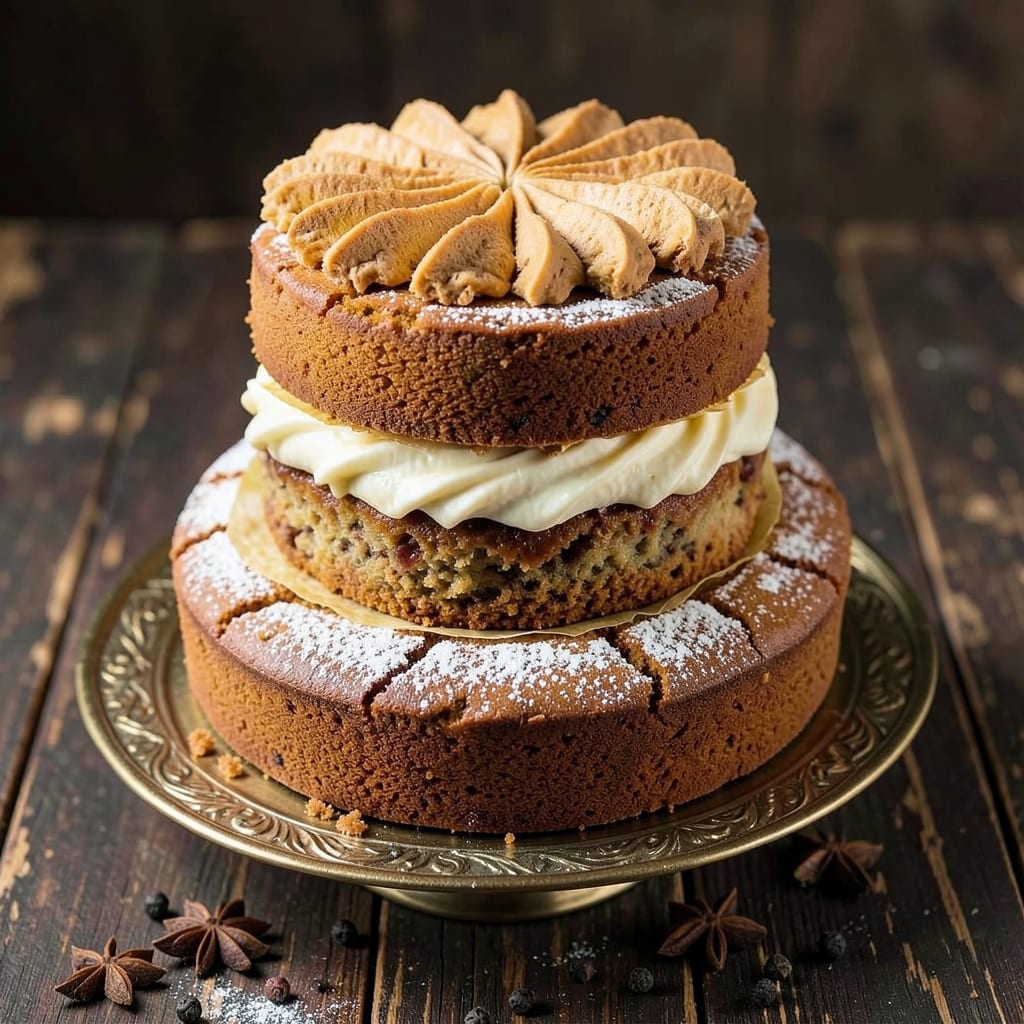
This 100-year-old cake recipe delivers layers of moist, spiced richness that defy time—just like the cake itself has. The secret lies in a precise balance of buttery cake layers, spiced rum-infused syrup, and a velvety cream cheese frosting that keeps it tender for days. I first discovered this recipe tucked between the pages of a vintage cookbook, and it’s been a family tradition ever since.
The cake’s magic comes from its moist texture, achieved through a combination of all-purpose flour, baking powder, and a touch of sour cream in the batter. The spiced rum infusion adds warmth and depth, while the cream cheese frosting ensures every bite stays luscious. This isn’t just a cake—it’s a nostalgic masterpiece that tastes like history.
With just 15 minutes of prep and 45 minutes in the oven, you’ll have a cake that’s perfect for celebrations or quiet afternoons. The layers are light yet rich, the frosting smooth and tangy, and the aroma of spiced rum lingers long after the last slice disappears. It’s the kind of dessert that feels like a hug.
Whether you’re baking for a special occasion or simply craving a taste of tradition, this recipe delivers restaurant-quality results at home. The frosting can be adjusted for sweetness, and the rum can be swapped for vanilla if preferred—making it versatile for any occasion. Let’s get baking!
Ingredients for 100 year old cake
Vintage flavors meet modern technique in this timeless cake recipe.
| Ingredient | Amount | Notes |
|---|---|---|
| All-Purpose Flour 🌾 | 3 cups | Sifted for light texture |
| Unsalted Butter 🧈 | 1 ½ cups | Room temperature, European style preferred |
| Granulated Sugar 🍚 | 2 cups | White or light brown |
| Sour Cream 🥛 | 1 cup | Full-fat for moisture |
| Large Eggs 🥚 | 6 whole | Room temperature |
| Baking Powder 🧂 | 2 tsp | Aluminum-free preferred |
| Salt 🧂 | ½ tsp | Fine sea salt |
| Vanilla Extract 🍯 | 2 tsp | Pure Madagascar bourbon |
| Spiced Rum 🍹 | ½ cup | Dark rum, like Kraken |
| Cinnamon 🌿 | 1 tsp | Ground, for rum infusion |
| Nutmeg 🌿 | ¼ tsp | Freshly grated |
| Cream Cheese 🧀 | 16 oz | Full-fat, room temperature |
| Powdered Sugar 🍚 | 4 cups | Sifted for smooth frosting |
| Heavy Whipping Cream 🥛 | 1 cup | Cold for stiff peaks |
The butter and sour cream are non-negotiable for that signature moistness. European-style butter has higher fat content, which translates to richer layers—Plugrá or President are my go-tos. If you must use American butter, don't skimp on the fat percentage. The flour should be sifted to avoid dense layers, and King Arthur or Gold Medal brands work best. For the rum infusion, Kraken or Gosling's dark rum adds depth without overpowering. Spice it up with freshly grated nutmeg—pre-ground loses potency fast. If you can't find spiced rum, vanilla extract plus a pinch of cinnamon works in a pinch.
No spiced rum? Vanilla extract plus a splash of orange liqueur mimics the warmth. For a non-alcoholic version, almond extract with extra cinnamon does the trick. The cream cheese frosting is where magic happens—Philadelphia brand is reliable, but Wisconsin cheddar cheese curds (yes, really) add a tangy twist if you're feeling adventurous. Powdered sugar should be sifted to avoid graininess, and Domino or C&H brands are consistent. The heavy cream must be cold—room temperature cream won't whip properly. For extra richness, add 1 tbsp of melted butter to the frosting mixture.
This cake keeps beautifully for 5 days in an airtight container at room temperature, though the frosting may soften in humidity. For longer storage, wrap tightly and refrigerate for up to 2 weeks. The layers can be baked a day ahead and stored separately—frost just before serving. Freeze unfrosted layers for 3 months by wrapping each layer individually in plastic. The frosting can be made 2 days ahead and stored in the fridge; whip briefly before using. For serving, use a serrated knife dipped in hot water—it ensures clean slices every time.
Why You'll Love This Recipe
- No-Fuss Mixing: I swear by the creamy butter-sour cream combo—no fancy techniques, just fold until the flour disappears. The eggs blend right in, no lumps, no stress.
- Buttery-Sweet Magic: That first bite? Rich, moist, and just sweet enough to linger. The sour cream keeps it tender, while the butter makes every slice taste like a hug.
- Birthday to Brunch: Slice it for a celebration cake or serve it plain for breakfast with coffee. Honestly, I’ve had it both ways—it’s my go-to for gatherings or lazy mornings.
- Leftovers? Better Leftovers: This cake actually improves the next day. Store-bought can’t compete with the way the flavors meld overnight—perfect for quick breakfasts or after-school snacks.
Step-by-step instructions for a timeless rum-infused cake
This classic recipe delivers legendary moisture and rich spice through precise technique.
Prepare the Rum-Cinnamon Infusion
In a small saucepan, combine the 0.5 cup spiced rum with 1 tsp cinnamon and 0.25 tsp nutmeg. Bring to a gentle simmer over medium-low heat for 5 minutes, allowing the spices to steep and infuse the rum with deep aromatic notes. Remove from heat and let cool completely to room temperature.
This infusion transforms ordinary cake into something extraordinary. The spices dissolve into the rum, creating layers of complexity that will permeate every slice. Let it cool completely before using—adding warm rum to the batter can cause the butter to melt prematurely.
Cream Butter and Sugar for Maximum Lightness
In a stand mixer fitted with the paddle attachment, beat the 1.5 cups unsalted butter (at room temperature) and 2 cups granulated sugar on medium speed for 4-5 minutes until light and fluffy. The mixture should nearly triple in volume and become pale in color.
This creaming process incorporates air into the batter, which creates that signature tender crumb. Press the butter between your fingers—it should hold its shape but still be pliable. If it's too soft, chill the bowl for 10 minutes before proceeding. The butter must be at room temperature for proper emulsification.
Build the Batter in Stages
Add the 6 whole large eggs, one at a time, mixing on low speed after each addition until fully incorporated. Then add the cooled rum-cinnamon infusion, 2 tsp vanilla extract, and 1 cup sour cream, mixing just until combined.
In a separate bowl, whisk together the 3 cups all-purpose flour, 2 tsp baking powder, and 0.5 tsp salt. With the mixer on low speed, gradually add the dry ingredients to the wet, mixing only until just combined—you should still see small flour streaks. Overmixing develops gluten, which makes the cake dense rather than tender.
Bake in Layers for Perfect Texture
Preheat your oven to 350°F and grease three 8-inch round cake pans thoroughly. Divide the batter evenly among the pans. Bake for 25-30 minutes or until a toothpick inserted in the center comes out clean. Rotate the pans halfway through baking for even browning.
The cake should spring back gently when pressed in the center. Let the cakes cool in their pans for 10 minutes before transferring to a wire rack to cool completely. This gradual cooling prevents cracking and maintains moisture. If the tops brown too quickly, tent loosely with foil after 15 minutes.
Assemble with Cream Cheese Frosting
Beat the 16 oz cream cheese (at room temperature) with the 4 cups powdered sugar until smooth and creamy. In a separate bowl, whip the 1 cup heavy whipping cream (chilled) to stiff peaks, then gently fold it into the cream cheese mixture until fully combined.
Level the cooled cake layers and spread a generous layer of frosting between each. Cover the entire cake with remaining frosting, then chill for 1 hour before serving. This chilling time allows the flavors to meld and the frosting to set properly, resulting in clean slices and maximum moisture in every bite.
Pro Tips For Making 100 Year Old Cake
- MIX BUTTER AND SUGAR UNTIL PALE: I learned this the hard way—skipping the pale color means your cake will taste flat. Cream the butter and sugar for a solid 4-5 minutes until it looks almost translucent. The extra effort makes the crumb richer and the flavor pop.
- CHILL THE BATTER 20 MINUTES: This isn’t just waiting—it’s crucial. After mixing everything, let the batter sit before baking. The sour cream and eggs will stabilize, and the flour will hydrate properly. Trust me, your cake will be less dense and more tender if you skip the rush.
- WEIGH YOUR FLOUR (YES, REALLY): Scooping flour from the bag adds air, and that’s the last thing you want in this cake. Use a kitchen scale for precision—1 cup of all-purpose flour is not the same as a scooped cup. Your cake will be lighter and less likely to sink in the middle.
- BAKE AT 325°F—NOT HIGHER: I was skeptical until I tried it: 350°F makes the outside overbake before the center sets. Stick to 325°F and bake just until the toothpick comes out clean (or with a few crumbs). The slow rise keeps the texture moist and the flavor balanced.
Common mistakes when making perfect results
Overmixing the Batter
The most common mistake is overmixing the batter after adding the dry ingredients. When you mix too vigorously, you develop gluten in the flour, which creates a dense, chewy texture instead of the tender crumb this cake needs. I’ve learned to mix just until the flour disappears—about 10-15 seconds—so you’ll still see small streaks. Stop as soon as the batter comes together. 🌾
Skipping Room-Temp Ingredients
Using cold butter or eggs is a recipe for disaster. Cold butter won’t cream properly, and cold eggs won’t emulsify smoothly, leading to a cake that’s greasy or lumpy. Let your butter sit at room temperature for 1-2 hours until it’s soft but still holds its shape. Eggs should be at room temperature too—just take them out of the fridge 30 minutes before baking. This ensures everything blends seamlessly. ❄️
Underbaking or Overbaking Layers
Baking the layers for too short or too long will ruin the texture. Underbaked layers stay gummy, while overbaked ones turn dry and crumbly. Test with a toothpick—it should come out clean but with a few moist crumbs. For three 8-inch layers, 25-30 minutes at 350°F is perfect. Rotate the pans halfway through for even baking, and never open the oven door before 20 minutes to avoid temperature fluctuations. 🔥
Ignoring Cooling Time
Rushing to frost the cake while it’s still warm is a rookie mistake. Hot layers release moisture, making the frosting slide off or turn grainy. Let the layers cool completely in their pans for 10 minutes, then transfer to a wire rack to cool for at least 1 hour before assembling. This patience ensures clean slices and a stable structure. If you’re in a hurry, chill the layers in the fridge for 20 minutes—just bring them to room temperature before frosting. ⏰
Using Low-Quality Butter or Cream Cheese
Not all butter and cream cheese are created equal. Using margarine or low-fat cream cheese will compromise the cake’s richness and moisture. Stick with European-style butter (like Plugrá) for higher fat content, and full-fat cream cheese (like Philadelphia) for the frosting. The fat in these ingredients is what keeps the cake tender and the frosting velvety. Skimping here means sacrificing flavor and texture. 🧈
Rushing the Frosting Process
Folding the whipped cream into the cream cheese mixture too aggressively can deflate the frosting, leaving you with a lumpy, runny disaster. Use a spatula to gently fold in the cream in 3 additions, cutting through the center and scooping up the sides. Also, never skip chilling the frosting for 1 hour before serving—this sets the sugar and stabilizes the texture. If you’re short on time, pop the frosted cake in the fridge for 30 minutes to firm it up. 💫
Nutrition facts
Frequently asked questions
Can I make this cake without alcohol?
Replace the 0.5 cup spiced rum with 0.5 cup vanilla extract plus 1 tsp cinnamon for warmth. For extra depth, add 1 tbsp almond extract or 1 tsp orange zest. The cake will still be rich and flavorful—just without the boozy kick.
How do I adjust the recipe for a 9-inch pan?
For three 9-inch layers, reduce the batter by 20% (about 1.5 cups total). Bake at 350°F for 20-25 minutes instead of 25-30. The layers will be slightly thinner but still moist. If using only two layers, divide the full batter evenly between pans.
Why does my cake crack on top?
Cracking usually happens from sudden temperature changes or overbaking. Avoid opening the oven before 20 minutes, and tent with foil if the top browns too quickly. Let the cake cool gradually in the pan for 10 minutes before transferring. For extra insurance, chill the layers for 10 minutes before frosting.
Can I make this cake in a bundt pan?
While possible, this recipe is designed for layer cakes. A bundt pan would require reducing the batter by 30% and adjusting baking time to 40-45 minutes. The texture won't be as tender, and the frosting application would be tricky. Stick with round pans for the best results!
How long can I store the cake layers before frosting?
Baked layers keep well for 2 days at room temperature in an airtight container. For longer storage, wrap individually and freeze for up to 3 months. Thaw overnight in the fridge before frosting. The frosting should be made fresh or stored separately in the fridge for 2 days.