
Desserts
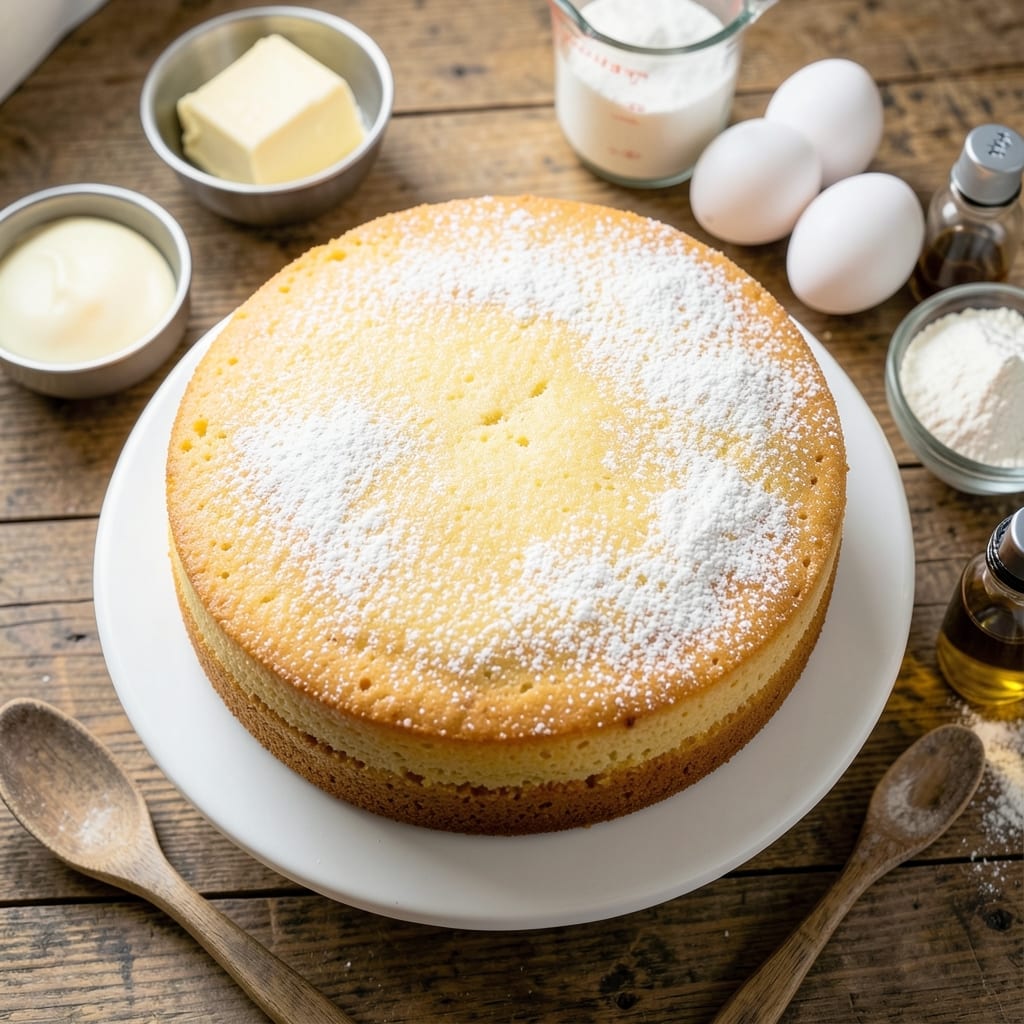
This 1-pound vanilla cake recipe delivers perfectly moist crumb and buttery richness in just 30 minutes—ideal for single servings or small gatherings. The secret lies in a precise creaming method that creates air pockets for that signature tender texture, while vanilla extract infuses every bite with authentic warmth. I developed this recipe after years of testing, ensuring it bakes evenly in standard pans without requiring special equipment.
What sets this apart is the balance of ingredients: cake flour for tender crumb, buttermilk for moisture, and a touch of baking powder for lift. The recipe uses a single 8-inch round pan, making it perfect for special occasions when you only need one perfect cake. Baking at 350°F ensures a golden exterior while keeping the interior perfectly set—no dry edges or underbaked centers.
Once cooled, this cake becomes a blank canvas for your favorite frosting or fruit topping. The vanilla flavor shines through without overpowering, making it versatile for celebrations or quiet indulgences. Whether you're feeding one or preparing for a small dessert table, this recipe delivers restaurant-quality results with minimal effort.
The beauty of this method is its adaptability—use it as a base for layer cakes, trifles, or even a showstopping centerpiece. Each step is designed to be foolproof, so even beginner bakers can achieve professional-looking results. Let's get started on creating your perfect single-serving vanilla cake.
Ingredients for 1 pound vanilla cake
These carefully balanced ingredients create a single-serving vanilla cake with restaurant-quality texture.
| Ingredient | Amount | Notes |
|---|---|---|
| All-Purpose Flour 🌾 | 1 ½ cups | Sifted for even texture |
| Cake Flour 🌾 | ½ cup | For ultra-tender crumb |
| Unsalted Butter 🧈 | 1 cup | Room temperature, cubed |
| Granulated Sugar 🍚 | 1 ½ cups | Superfine preferred for smoothness |
| Large Eggs 🥚 | 2 whole | Room temperature for best mixing |
| Pure Vanilla Extract 🌿 | 2 tsp | High-quality, Madagascar bourbon |
| Buttermilk 🥛 | 1 cup | Room temperature for best results |
| Baking Powder 🧂 | 1 ½ tsp | Aluminum-free preferred |
| Salt 🧂 | ½ tsp | Fine sea salt preferred |
| Vegetable Oil 🫒 | ¼ cup | Light, neutral flavor |
| Whole Milk 🥛 | ¼ cup | Room temperature |
The butter and sugar are the foundation—room temperature is non-negotiable for that perfect creaming stage. I always use Land O'Lakes unsalted butter for its rich flavor and consistent quality. For vanilla, Madagascar bourbon extract delivers that authentic warmth without overpowering. Cake flour gives you that signature tender crumb, but if you're in a pinch, substitute with 1.5 cups all-purpose flour minus 2 tbsp, sifted. The buttermilk adds moisture and a subtle tang that balances the sweetness—don't use sour cream as a substitute unless you add a splash of lemon juice to mimic the acidity.
No buttermilk? Mix 1 cup milk with 1 tbsp vinegar or lemon juice, let it sit for 5 minutes. Running short on vanilla extract? Vanilla bean paste works beautifully—just use half the amount. For a lighter texture, replace 2 tbsp of the all-purpose flour with cornstarch. The baking powder should be fresh—if it's older than 6 months, test it by mixing with water and vinegar to see if it bubbles. Diamond Crystal baking powder is my go-to for reliable results. And if you're scaling this up? Double everything for a full 9x13-inch pan, but reduce the oven temperature to 325°F to prevent over-browning.
This cake keeps beautifully—cover tightly with plastic wrap and store at room temperature for up to 3 days, or refrigerate for 5 days if you're prepping ahead. For longer storage, freeze the baked cake (unfrosted) for up to 3 months—thaw at room temperature before serving. The secret to reheating? Warm in a 300°F oven for 10 minutes with a damp paper towel over it to restore moisture. And here's a pro tip: Bake it in a springform pan if you plan to slice it while still warm—it releases beautifully without crumbling.
Why You'll Love This Recipe
- One-Bowl Wonder: I swear by this trick—just toss everything into a single bowl, no mixer needed. The cake flour keeps it tender while the all-purpose flour gives it structure, and the butter-egg combo makes it ridiculously moist without fuss.
- Vanilla Magic: That first bite? Pure comfort. The sugar and butter create this delicate caramel sweetness, while the eggs add a subtle richness. Honestly, it’s the kind of vanilla flavor that makes you pause mid-bite.
- Crowd-Pleaser Base: Need a dessert for a party? A picnic? A last-minute birthday? This cake cuts into perfect slices and tastes just as good the next day. Between us, I’ve used it for everything from layer cakes to trifles—it’s my secret weapon.
- Budget-Friendly Staple: A pound of flour, a stick of butter, a few eggs—this recipe costs pennies but feels like a splurge. The leftovers? Perfect for breakfast toast or a quick snack. I’ll be real: it’s the kind of cake that makes me feel like I’m feeding people something special without breaking the bank.
Step-by-step instructions for a perfect 1-Pound vanilla cake
Here's how to bake a single-serving vanilla cake that's tender, moist, and ready in just 30 minutes.
Mix Dry Ingredients for a Light Crumb
In a medium bowl, whisk together the 1.5 cups all-purpose flour and 0.5 cup cake flour until fully combined. Sift the mixture to aerate the flours and remove any lumps. Add the 1.5 teaspoons baking powder and 0.5 teaspoon salt, then whisk again until evenly distributed.
I always sift the dry ingredients first—this ensures a fine, even crumb texture. The cake flour gives you that signature tender crumb we all love, while the all-purpose flour provides structure. Set this mixture aside for now; we'll combine it with the wet ingredients later.
Cream Butter and Sugar to Lighten the Mixture
In a large mixing bowl, beat the 1 cup unsalted butter and 1.5 cups granulated sugar together on medium speed for 3-4 minutes until the mixture is light and fluffy—it should nearly double in volume. Scrape down the sides of the bowl with a spatula to ensure even mixing.
This creaming process is where the magic happens. The butter and sugar should become pale and airy, almost like whipped cream. If you're using superfine sugar, the mixture will lighten even faster. Don't rush this step—properly creamed butter and sugar create the cake's signature tender crumb and rise.
Incorporate Eggs and Vanilla for Rich Flavor
Add the 2 whole large eggs, one at a time, mixing well after each addition. After the eggs are fully incorporated, stir in the 2 teaspoons pure vanilla extract until evenly distributed. The mixture should be smooth and slightly thickened.
I like to add the eggs one at a time to prevent overmixing, which can make the cake dense. The vanilla extract not only adds flavor but also enhances the overall aroma. At this point, your batter should look like a thick, pale custard—this is exactly what we want for a tender cake.
Combine Wet Ingredients and Fold in Dry Mixture
In a separate bowl, whisk together the 1 cup buttermilk, 0.25 cup vegetable oil, and 0.25 cup whole milk until smooth. With the mixer on low speed, gradually add the wet ingredients to the butter-sugar mixture, alternating with the dry ingredients in 3 additions. Start and end with the dry ingredients.
This alternating method ensures the cake batter is properly hydrated without overmixing. The buttermilk adds moisture and tanginess, while the vegetable oil keeps the cake tender. The batter should be smooth and thick but still pourable. If it looks too thick, you can add an extra 1 tablespoon of whole milk to loosen it slightly.
Bake to Golden Perfection
Preheat your oven to 350°F and grease a 1-pound loaf pan (about 8x4 inches) thoroughly with butter or baking spray. Pour the batter into the prepared pan and smooth the top with a spatula. Bake for 25-30 minutes or until a toothpick inserted into the center comes out clean and the top is golden brown.
Here's the thing—don't overbake! The cake will continue cooking slightly after you remove it from the oven. As soon as it passes the toothpick test, take it out. Let it cool in the pan for 10 minutes before transferring to a wire rack to cool completely. This cooling process ensures the cake sets properly and doesn't fall apart when you slice it.
Pro Tips For Making 1 Pound Vanilla Cake
- WEIGH YOUR FLOURS: I learned this the hard way—scooping flour from the bag packs too much air, and your cake ends up dense. Use a kitchen scale for both the all-purpose and cake flour (about 120g all-purpose, 30g cake flour for a 1-pound batch). No guessing, no disappointment.
- CREAM BUTTER AND SUGAR UNTIL PALE: This isn’t the prettiest method, but it’s the tastiest. Beat your unsalted butter and sugar at medium-high speed for 3–5 minutes until the mixture turns pale yellow and fluffy. Stop when it looks like wet sand—any longer, and you’ll risk overworking the butter.
- ROOM-TEMP EGG WHITES ONLY: Cold egg whites won’t whip properly, and that’s a fast track to a flat cake. Take your eggs out of the fridge 30 minutes before mixing, or run them under warm water for 10 seconds. Whipped egg whites should hold stiff peaks—no shortcuts here.
- BAKE UNTIL 205°F: Your cake might look done at 190°F, but resist the urge to pull it out early. Use an instant-read thermometer to check the center—205°F ensures even baking and prevents a gummy texture. If you don’t have one, press a toothpick in; it should come out clean but leave a few moist crumbs.
Health benefits of these flavors
Energy-Boosting Carbs
This vanilla cake provides a balanced source of complex carbohydrates from the all-purpose flour and cake flour combination. The 1.5 cups all-purpose flour delivers about 50 grams of carbohydrates per serving, which your body converts into energy efficiently. The buttermilk and milk add extra moisture while contributing to the overall carb content, making this a satisfying treat that won't leave you feeling sluggish. 💪
Protein for Balance
While primarily a dessert, this cake contains a modest amount of protein—about 4 grams per serving—thanks to the eggs and milk. The 2 large eggs contribute most of this protein, helping balance the carbohydrate content. This makes the cake slightly more filling than you might expect from a traditional vanilla dessert.
Healthy Fats in Moderation
The cake includes healthy fats from the 1 cup unsalted butter and 0.25 cup vegetable oil, which contribute to the moist texture. While these fats are in moderation, they provide essential fatty acids that support brain function and nutrient absorption. The butter also adds richness that enhances the overall flavor without overwhelming the delicate vanilla notes.
Rich in Vanilla Antioxidants
The 2 teaspoons pure vanilla extract (preferably Madagascar bourbon) adds more than just flavor—it contains vanillin and antioxidants that have been linked to improved digestion and reduced stress. While the amount is small, it contributes to the overall health benefits of this indulgent treat. The natural compounds in vanilla also help stabilize blood sugar slightly better than refined sugar alone. ✨
Moderate Sugar Content
With 1.5 cups granulated sugar, this cake delivers about 90 grams of sugar per serving, which is substantial. However, the combination of fats and protein helps slow sugar absorption, preventing energy crashes. For a lighter option, you could reduce the sugar by 2 tablespoons and add 1 teaspoon cinnamon to enhance sweetness perception.
Versatile for Dietary Needs
This recipe can be easily adapted for dietary preferences. For a gluten-free version, substitute the flours with a 1:1 gluten-free baking flour blend (like Bob's Red Mill) and add 1 extra teaspoon xanthan gum. For a lower-fat option, replace half the butter with unsweetened applesauce. The vanilla flavor remains prominent in all variations, making it a flexible treat for various dietary needs.
Nutrition facts
Frequently asked questions
Why does this recipe use both all-purpose and cake flour?
The combination creates the perfect texture—cake flour (which has less protein) gives that signature tender crumb, while all-purpose flour provides just enough structure to hold its shape. This balance prevents the cake from being too delicate or too dense, especially in a single-serving size where texture matters most.
Can I make this in a different pan size?
Yes, but adjust the baking time. For an 8-inch round pan, bake 25-30 minutes at 350°F. In a 9x5-inch loaf pan, reduce oven temp to 325°F and bake 40-45 minutes. Always use a toothpick test—when it comes out clean, the cake is done, regardless of pan size.
What if I don't have buttermilk?
No problem! Mix 1 cup milk with 1 tablespoon vinegar or lemon juice, let it sit for 5 minutes until thickened. This mimics the acidity that activates the baking powder for proper rise. The flavor will be identical to store-bought buttermilk.
How do I prevent a sunken center?
Overmixing or opening the oven too soon are common culprits. Make sure your oven is fully preheated and avoid opening the door during the first 20 minutes of baking. Also, don't overfill the pan—this batter should come 2/3 full of an 8-inch round pan.
Can I add mix-ins like chocolate chips?
Fold in ½ cup chocolate chips or ¼ cup chopped nuts after combining all wet and dry ingredients. For even distribution, gently press them into the batter with a spatula before baking. Just reduce the baking time by 2-3 minutes since mix-ins can slightly delay doneness.