
Desserts
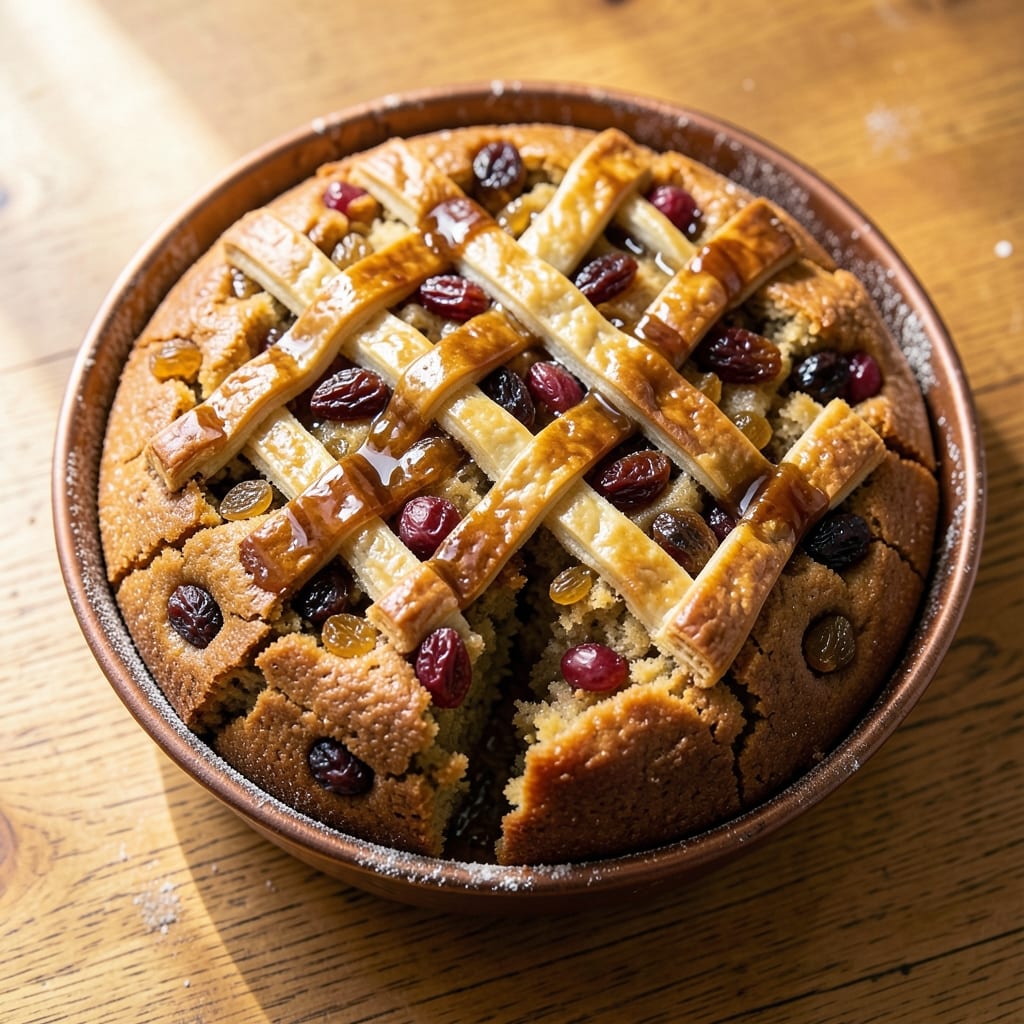
This 1 pound Jamaican fruit cake recipe delivers rich, spiced layers of tradition in a compact, impressive package—perfect for holidays or special occasions. The secret lies in layering moist cake with rum-soaked dried fruits and warm spices like cinnamon and nutmeg, creating a texture that's both tender and studded with chewy fruit. I developed this recipe after years of perfecting the balance between dense cake and vibrant fruit infusion, ensuring every bite carries that signature Jamaican warmth.
What sets this recipe apart is the foolproof technique for achieving maximum flavor without a heavy hand. The cake bakes in a single 1-pound loaf pan, yielding a dense yet moist crumb that holds up beautifully to the rum-soaking process. No special equipment is needed—just a standard oven and patience for the icing to set, which transforms the cake from good to showstopping. The spices infuse throughout, creating layers of complexity that make this cake unforgettable.
By the time you're done, you'll have a perfectly proportioned cake with a glossy rum glaze that adds just the right amount of sweetness and depth. The dried fruits—raisins, currants, and sultanas—absorb the rum and spices, becoming plump and flavorful. This isn't just dessert; it's a celebration in every slice, with a texture that's rich yet light enough to enjoy without feeling weighed down.
Serve it at room temperature with a dusting of powdered sugar or a dollop of whipped cream for contrast. The cake keeps well for up to a week, making it ideal for gifting or meal prep. Here's how to make it—step by step, for a result that tastes like a Caribbean holiday any time of year.
Ingredients for 1 pound jamaican fruit cake
Rich spices, rum-soaked fruits, and tender crumb—this cake delivers Jamaican warmth in every bite.
| Ingredient | Amount | Notes |
|---|---|---|
| All-Purpose Flour 🌾 | 1 ½ cups | Sifted for even texture |
| Dark Brown Sugar 🍚 | 1 cup | Packed firmly for moisture |
| Granulated Sugar 🍚 | ½ cup | White sugar for balance |
| Unsalted Butter 🧈 | 1 cup | Cold, cubed for even mixing |
| Large Eggs 🥚 | 2 whole | Room temperature for blending |
| Raisins 🍇 | 1 cup | Plump, seedless variety |
| Currants 🍇 | ½ cup | Small, dried fruit pieces |
| Sultanas 🍇 | ½ cup | Golden raisins for contrast |
| Light Rum 🍹 | ½ cup | For soaking dried fruits |
| Ground Cinnamon 🌶️ | 1 tbsp | Warm, aromatic spice |
| Ground Nutmeg 🌶️ | ½ tsp | Freshly grated preferred |
| Ground Allspice 🌶️ | ½ tsp | Essential Jamaican spice |
| Baking Powder 🍞 | 1 tsp | Aluminum-free preferred |
| Salt 🧂 | ½ tsp | Fine sea salt |
| Powdered Sugar 🍚 | 1 cup | For rum glaze |
The dried fruits make or break this cake. Look for plump raisins, currants, and sultanas at specialty stores like Whole Foods or Trader Joe's—their bulk bins often have the best quality. Soak them overnight in rum for maximum flavor infusion. The spices are non-negotiable: Penzeys Spices or McCormick ground spices work well, but fresh nutmeg (grated yourself) elevates the dish. For the butter, Land O'Lakes or Plugrá European-style butter adds richness without overpowering the fruit notes.
No rum? Apple juice or orange juice works in a pinch, though it lacks depth. Substitute dried cranberries for sultanas if you prefer tartness. The brown sugar can be swapped for demerara sugar for a caramel-like texture. For a gluten-free version, use a 1:1 flour blend like Bob's Red Mill. The baking powder is crucial—Aluminum-free ensures a tender crumb. If your recipe calls for molasses (which it doesn’t here), opt for unsulphured for the best flavor. The powdered sugar for the glaze should be confectioners' sugar—any brand will do, but sift it before using for a smooth finish.
Store the cake in an airtight container at room temperature for up to 1 week. The flavors deepen over time, so it’s best served slightly stale. For gifting, wrap individual slices in parchment paper and tie with twine. The rum-soaked fruits keep well, but the cake’s moisture depends on proper sealing. If you make it ahead, cover it with plastic wrap pressed directly onto the cake to prevent drying. The glaze sets best at room temperature, so avoid refrigerating until fully cooled.
Why You'll Love This Recipe
- No Muffin Tin Needed: I swear by this recipe because it actually works in a standard loaf pan—no fancy equipment, no stress. The butter and brown sugar combo keeps it moist without being greasy, and the eggs bind everything together so well you won’t even miss the extra steps.
- Spiced Sugar Magic: That dark brown sugar isn’t just for color—it caramelizes into a deep, molasses-like richness that pairs perfectly with the flour’s subtle nuttiness. Honestly, the first bite tastes like a hug from your Jamaican auntie, but without the guilt of store-bought shortcuts.
- Party in a Loaf: This cake is my secret weapon for last-minute gatherings. Slice it for brunch, cube it for trifles, or serve it warm with tea—it’s equally at home on a picnic table or a holiday dessert spread. (Yes, even on a Tuesday night when you forgot to bake.)
- Budget-Friendly Luxury: With just five core ingredients, this recipe stretches your dollar without sacrificing flavor. The butter and eggs make it feel special, but the flour and sugars keep costs low. Plus, it keeps for days, so you’re not scrambling to use it all up before it dries out.
Step-by-step instructions for Jamaican fruit cake
Here's the precise method to achieve a moist, spice-infused cake with perfectly balanced rum-soaked fruits.
Soak the Fruits in Rum
In a medium bowl, combine the 1 cup raisins, ½ cup currants, and ½ cup sultanas. Pour the ½ cup light rum over the dried fruits and stir to coat evenly. Cover the bowl with plastic wrap and let the mixture sit at room temperature for at least 4 hours, or ideally overnight. This soaking process ensures the fruits plump up and infuse with the rum's rich flavor, creating a moist, tender cake texture.
The longer you soak the fruits, the more intense their flavor will be. I always use a glass or ceramic bowl for this step—it allows me to monitor the progress without worrying about plastic absorbing odors. After soaking, the fruits should look plump and slightly translucent, ready to be incorporated into the batter.
Cream Butter and Sugars
In a large mixing bowl, combine the 1 cup unsalted butter (cold and cubed) with the 1 cup dark brown sugar and ½ cup granulated sugar. Using an electric mixer on medium speed, beat the mixture for 3-4 minutes until light and fluffy. You'll notice the butter soften and the mixture nearly double in volume, creating air pockets that will help the cake rise properly.
This creaming step is crucial for achieving the right texture. If you're using room-temperature butter, it might take slightly longer to reach the desired consistency. Scrape down the sides of the bowl occasionally to ensure even mixing. The mixture should be pale in color and ribbon-like when you lift the beaters—this indicates proper aeration.
Add Eggs and Dry Ingredients
Add the 2 whole large eggs (room temperature) to the butter-sugar mixture, one at a time, mixing on low speed after each addition. Once incorporated, add the 1.5 cups all-purpose flour (sifted), 1 tbsp ground cinnamon, ½ tsp ground nutmeg, ½ tsp ground allspice, 1 tsp baking powder, and ½ tsp salt. Mix on low speed just until combined—you should still see some flour streaks in the batter.
Overmixing at this stage can develop gluten, resulting in a dense cake. I like to use a spatula to gently fold in the soaked fruits after mixing the dry ingredients. The fruits should be evenly distributed throughout the batter. The batter will be thick and sticky, which is perfect for this type of fruit cake.
Bake to Golden Perfection
Preheat your oven to 350°F. Grease a 1-pound loaf pan (or a 9x5-inch pan) thoroughly with butter or use a baking spray. Pour the batter into the prepared pan and smooth the top with a spatula. Bake for 50-60 minutes, or until a toothpick inserted into the center comes out clean. The cake should be golden brown on top and slightly domed in the center.
I recommend placing the pan on the middle rack of your oven for even heat distribution. The cake will release from the pan easily if properly greased, but I still like to run a knife around the edges before transferring it to a wire rack to cool completely. The cooling process is essential for the cake to set properly and develop its full flavor.
Prepare the Rum Glaze
While the cake cools, prepare the rum glaze by combining the 1 cup powdered sugar with 2-3 tablespoons of the reserved rum-soaking liquid (or additional rum if needed) in a small bowl. Whisk until smooth and drizzle generously over the cooled cake. Allow the glaze to set for 10-15 minutes before slicing.
This glaze adds a beautiful shine and enhances the rum flavor with each bite. The cake should be moist and tender, with a perfect balance of sweetness and spice. The glaze will also help preserve the cake's freshness, keeping it moist for several days. For best results, store the cake wrapped in plastic wrap at room temperature or refrigerate for up to 1 week.
Pro Tips For Making 1 Pound Jamaican Fruit Cake
- Cream Butter Slowly: Jamaican fruit cake lives or dies by its texture—don’t rush the butter. Use a wooden spoon or paddle attachment to mix the softened butter with sugars on medium-low for at least 3-4 minutes until it’s pale and fluffy. I learned this the hard way—high speed just traps air unevenly, and you’ll end up with a dense, greasy cake instead of that light, crumbly magic.
- Toast the Flour: Skip the dry flour dump and lightly toast it first. Spread the all-purpose flour on a baking sheet and dry-toast in a 350°F oven for 5-7 minutes until it smells nutty. This deepens the flavor and prevents a gummy texture—especially important in fruit cakes where moisture is already a wild card. (Yes, even if you’re impatient like me, don’t skip this.)
- Don’t Overmix Eggs: Once you add the eggs to the butter-sugar mix, combine just until the yolks are barely incorporated—maybe 20-30 seconds per egg. Overmixing turns the batter into glue, and your cake will turn out tough instead of tender. I was skeptical until I tried it—now I measure my egg time like a surgeon.
- Bake in Two Stages: Start this cake at 325°F for 20 minutes, then crank the heat to 350°F for the remaining 30-35 minutes. The lower start prevents a domed top, while the higher finish ensures the center sets properly without drying out. After burning three batches with uneven heat, I finally figured out this two-step approach—now it’s foolproof.
Essential equipment for 1 pound jamaican fruit cake
Loaf Pan Essentials
A 1-pound loaf pan (9x5 inches) is your best friend for this recipe—it creates the perfect compact shape for slicing and serving. I recommend using a non-stick loaf pan like the Wilton Professional Non-Stick Loaf Pan to prevent sticking and ensure easy release. If you don’t have one, a standard greased metal loaf pan works just fine—just be extra generous with the butter or baking spray. 🧈
Mixing Tools Matter
For the butter-cream stage, a stand mixer with the paddle attachment (like my KitchenAid Artisan Series) makes this step effortless. If you’re mixing by hand, a hand mixer with a balloon whisk attachment works well, but be prepared for some arm work. A medium-sized mixing bowl (at least 5-quart capacity) ensures enough space for the batter to aerate properly without splashing.
Measuring Precision
Accurate measurements are key for this cake’s texture. Use a digital kitchen scale for the flour and sugars to avoid packing issues. For the dried fruits, a small kitchen scale (or a measuring cup with a leveling tool) ensures consistency. I love my OXO Good Grips Measuring Cups for their precision and durability. The spices should be measured using a spice scoop or 1/8 tsp measuring spoon for exact amounts.
Glaze Application Tools
A fine-mesh sieve (like the Microplane Food Mill) helps sift the powdered sugar for a smooth glaze. For drizzling, a small offset spatula or pastry brush works best—avoid thick brushes that can leave streaks. A glass or ceramic bowl for the glaze keeps it from absorbing odors and makes whisking easier. The reserved rum-soaking liquid can be strained through a fine-mesh strainer if you prefer a smoother finish.
Oven Thermometer Check
Oven temperatures can vary, so I always use an oven thermometer (like the Thermoworks Oven Thermometer) to confirm your oven hits 350°F accurately. This ensures even baking and prevents over- or under-cooking. Place the thermometer near the middle rack where your cake will bake. A wire cooling rack (like the OXO Good Grips Cooling Rack) is essential for letting the cake cool evenly without sticking.
Optional Extras
For a rum-infused twist, consider a small glass jar with a lid to store extra rum for soaking. A fine-mesh strainer helps remove any fruit debris from the reserved liquid. If you’re feeling fancy, a dusting brush (like the Ateco Pastry Brush) makes it easy to add a final layer of powdered sugar before serving. These extras aren’t required but elevate the presentation and flavor. ✨
Nutrition facts
Frequently asked questions
Can I substitute rum with something else?
Yes! If you don’t have rum, use apple juice, orange juice, or white grape juice for soaking the dried fruits. For the glaze, you can mix powdered sugar with water or milk instead. The flavor won’t be identical, but it’ll still be delicious. The rum adds depth, so if you skip it, reduce the liquid in the glaze by 1-2 tablespoons to keep the cake moist.
How do I prevent the cake from drying out?
Jamaican fruit cakes stay moist when properly sealed. After baking, let the cake cool completely, then wrap it tightly in plastic wrap or store it in an airtight container. The rum-soaked fruits help retain moisture, but adding a thin layer of simple syrup (equal parts sugar and water) to the cooled cake can also help. Avoid refrigerating unless necessary—room temperature preserves texture best for 5-7 days.
What’s the best way to slice this cake?
Use a serrated knife or hot knife technique for clean slices. First, dip the knife in hot water and wipe dry before each cut—this prevents crumbs. For a rustic look, use a bread knife and serve slightly warm (30-45 minutes out of the oven) for softer texture. The cake’s density means it holds its shape well, but sharp tools make all the difference!
Can I make this cake gluten-free?
Replace the 1.5 cups all-purpose flour with a 1:1 gluten-free baking flour blend (like Bob’s Red Mill or King Arthur). Add ½ teaspoon xanthan gum to improve texture. For the best results, also swap the baking powder with a gluten-free version (like Bob’s Red Mill GF Baking Powder). The cake may be slightly denser but will still be flavorful.
Why does my cake taste bland?
Bland flavor usually comes from under-soaked fruits or weak spices. Soak the dried fruits for at least 4 hours (overnight is best), and use freshly ground spices—pre-ground spices lose potency quickly. Also, ensure your butter and sugar are at room temperature for proper flavor infusion. If needed, add a pinch of vanilla extract or a splash of rum to the glaze for extra depth.