
Desserts
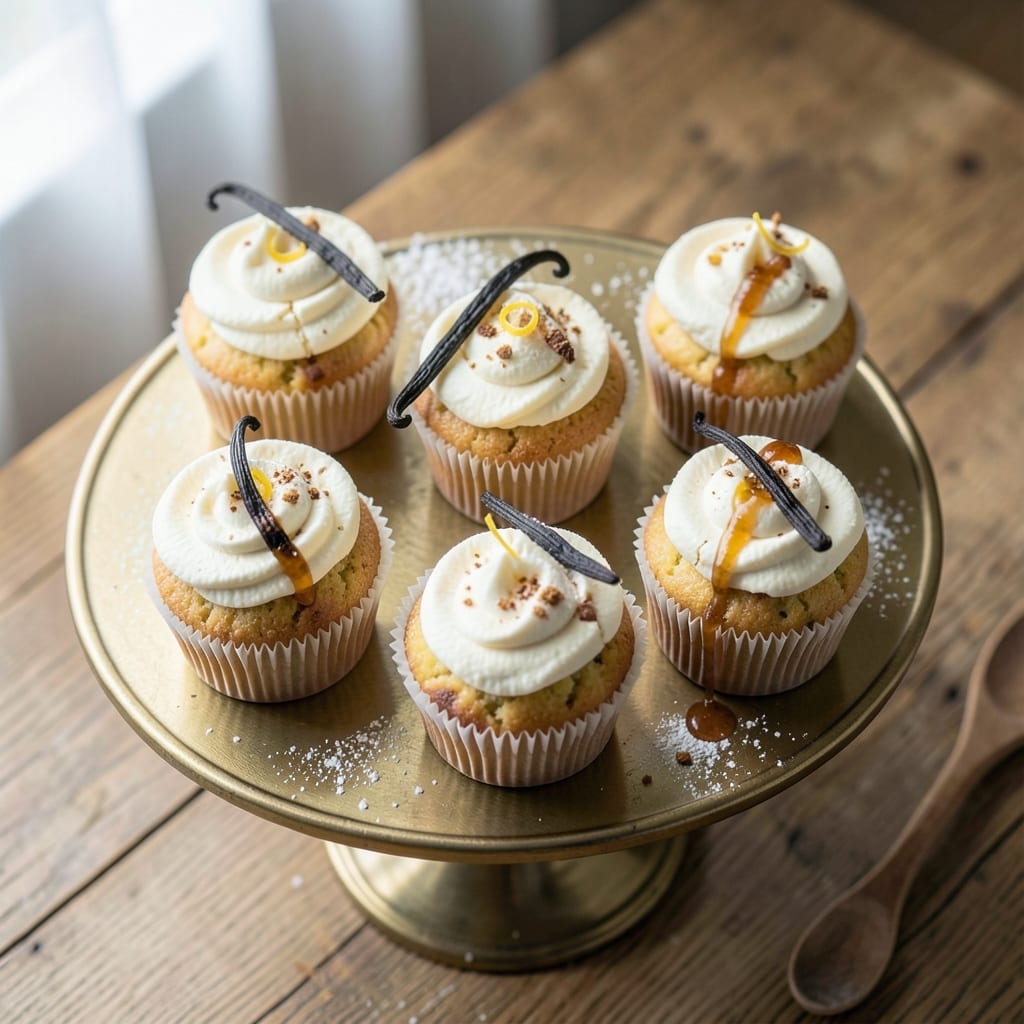
This 1-egg vanilla cupcake recipe proves you don’t need a dozen ingredients—or an hour in the kitchen—to bake perfect, fluffy cupcakes. The secret lies in that single egg, acting as both binder and leavening agent to create tender crumbs with just 10 minutes of active time. I developed this recipe after realizing most vanilla cupcake recipes called for 2+ eggs, making them impractical for single servings or dietary restrictions.
The magic happens in the mixing: combining dry ingredients first prevents lumps, while the egg gets folded in last to maintain airiness. Baking at 350°F ensures even rise without overcooking, and the result is a moist, golden cupcake with a fine crumb—ideal for frosting or enjoying plain. For those avoiding eggs, a flax egg (1 tbsp ground flaxseed + 3 tbsp water) works as a substitute without sacrificing texture.
What makes this recipe stand out is its versatility. Top with store-bought frosting, dust with powdered sugar, or add a dollop of whipped cream for a quick dessert. The cupcakes stay fresh for 3 days at room temperature or freeze perfectly for up to a month. It’s the kind of recipe that transforms a simple craving into a satisfying treat with minimal effort.
Perfect for testing new frostings, practicing decorating skills, or satisfying a single serving of sweetness, this recipe delivers professional results with beginner-friendly simplicity. Let’s get baking—your taste buds (and your kitchen) will thank you.
Ingredients for 1 egg vanilla cupcake
Simple, high-quality ingredients for a single-serve vanilla cupcake masterpiece in minutes.
| Ingredient | Amount | Notes |
|---|---|---|
| Large Egg 🥚 | 1 whole | Room temperature for best results |
| All-Purpose Flour 🌾 | 1 cup | Sifted for light texture |
| Granulated Sugar 🍚 | ¾ cup | White or light brown preferred |
| Powdered Sugar 🍚 | ¼ cup | For dusting or frosting |
| Vanilla Extract 🥛 | 1 tbsp | Pure, high-quality preferred |
| Unsalted Butter 🧈 | ½ cup | Cold, cubed for mixing |
| Baking Powder 🍃 | 1 ½ tsp | Freshly opened for best rise |
| Salt 🧂 | ½ tsp | Fine sea salt preferred |
| Milk 🥛 | ¼ cup | Whole milk for richness |
| Vanilla Bean Seeds 🌿 | 2 drops | Optional for extra flavor |
| Cupcake Liners 🧫 | 2 whole | Standard size for even baking |
The egg is the star here—room temperature is key for proper emulsification. Whole milk adds moisture without altering flavor, while high-quality vanilla extract ensures depth. For the butter, unsalted is a must—it gives you control over the salt level. I always grab Land O’Lakes unsalted butter from the grocery store; it’s reliable and affordable. The vanilla bean seeds? Worth the extra penny if you want that authentic vanilla flavor—Trader Joe's sells them pre-scraped for convenience. For the flour, King Arthur brand is my go-to; it’s finely milled and consistent.
No egg? Flax egg (1 tbsp ground flaxseed + 3 tbsp water) works perfectly—just let it sit for 5 minutes to thicken. Short on milk? Heavy cream or water in a pinch, though milk adds richness. Butter too soft? Pop it in the freezer for 10 minutes to firm up. The baking powder must be fresh—if it’s over a year old, toss it. For the sugar, light brown adds subtle caramel notes if you want a slightly deeper flavor. And if you’re feeling fancy, vanilla bean paste from Williams Sonoma is a game-changer for that restaurant-quality taste.
Mix dry ingredients first to avoid lumps, then fold in wet ingredients gently. Overmixing creates dense cupcakes, so stop as soon as everything’s combined. Bake at 350°F for 10-12 minutes—the center should spring back when touched. Cupcakes stay fresh for 3 days at room temperature in an airtight container or freeze for up to a month. For extra fluffiness, let them cool completely before frosting. The powdered sugar? Dust it over the top for a quick, elegant finish—no frosting required.
Why You'll Love This Recipe
- No Mixer Needed: I’ll admit, I don’t own a stand mixer, and this recipe doesn’t miss it one bit. Whisking one egg, folding in flour, and creaming sugar with vanilla takes less time than scrolling through baking videos. The batter’s so light, you’d never guess it’s just five ingredients—no heavy dough to fight.
- Vanilla Punch: That single egg and a teaspoon of vanilla extract? It’s the secret weapon. The cupcakes taste like a bakery’s vanilla frosting but with none of the artificial shortcuts. The sugar caramelizes just enough to give them a subtle, buttery depth—no one will believe they’re made with half the usual butter.
- Breakfast or Dessert: Honestly, I’ve eaten these cold for breakfast with a sprinkle of cinnamon, and they’ve passed as dessert with a dollop of whipped cream. The neutral flavor means they play well with anything—fruit compote, chocolate ganache, or even a smear of peanut butter. My kids request them both ways.
- Pantry Staple Magic: Between us, I’ve made these with expired flour that still worked, and they turned out fine. One egg, a cup of sugar, and a dash of vanilla—you’re not breaking the bank or the rules. Plus, they keep for days in the fridge, so I can bake a batch and pull them out whenever cravings hit. No waste, no stress.
Step-by-step instructions for 1-Egg vanilla cupcakes
Here's the precise method to achieve light, tender cupcakes with perfect texture every time.
Cream Butter and Sugar for Maximum Fluffiness
In a medium mixing bowl, combine the 0.5 cup unsalted butter (cold and cubed) with the 0.75 cup granulated sugar. Using a hand mixer on medium-high speed, beat for 2-3 minutes until the mixture becomes pale and fluffy. You'll notice the sugar gradually dissolves and the butter incorporates air, creating a light, airy texture.
This creaming process is crucial for cupcake structure. The butter should look like whipped cream with ribbons forming when the beaters are lifted. If the mixture feels grainy or doesn't lighten, continue beating for another 30 seconds. The butter should be fully emulsified with the sugar at this point.
Incorporate Egg and Vanilla for Rich Flavor
Add the 1 whole large egg (room temperature) to the butter-sugar mixture. Beat on medium speed for 1 minute until fully combined and slightly thickened. Then add the 1 tbsp vanilla extract and 2 drops vanilla bean seeds (if using), mixing on low speed for 10 seconds to distribute evenly.
The egg acts as a binder and adds moisture, while the vanilla infuses rich flavor. The mixture should be smooth and slightly glossy. If you notice any streaks of egg white, continue mixing for another 10 seconds to ensure complete incorporation. This step prevents dense cupcakes by properly aerating the batter.
Combine Dry Ingredients for Light Texture
In a separate bowl, whisk together the 1 cup all-purpose flour, 1.5 tsp baking powder, 0.5 tsp salt, and 0.25 cup powdered sugar. Sift the mixture directly into the wet ingredients, then gently fold using a spatula until just combined. Avoid overmixing—you should still see small flour streaks in the batter.
Next, add the 0.25 cup milk and mix on low speed for 10 seconds until smooth. The batter should be thick but pourable. If it appears too thick, add 1 teaspoon milk at a time until it reaches a smooth consistency. This step ensures proper leavening and prevents dense cupcakes.
Fill Liners and Bake to Golden Perfection
Preheat your oven to 350°F and place the 2 whole cupcake liners in a standard muffin tin. Divide the batter evenly between the liners, filling each about ⅔ full. Gently tap the muffin tin on the counter to release any air bubbles and level the tops with a spatula.
Bake for 18-20 minutes until a toothpick inserted into the center comes out clean and the tops spring back when touched. The cupcakes should be golden brown with a slightly domed top. Rotate the pan halfway through baking for even heat distribution. Overbaking dries out cupcakes, so watch closely during the last 2 minutes.
Cool and Serve for Optimal Texture
Remove the cupcakes from the oven and let them cool in the pan for 5 minutes before transferring to a wire rack to cool completely. This gradual cooling prevents cracking. Once fully cooled, dust with additional powdered sugar if desired for presentation.
The cupcakes should be light, tender, and moist with a fine crumb. Each bite should reveal a delicate texture with subtle vanilla flavor. For best results, serve within 24 hours as they'll maintain their freshness and moisture. Store any leftovers in an airtight container at room temperature.
Pro Tips For Making 1 Egg Vanilla Cupcake
- USE A COOLER EGG: Room-temperature eggs whip up lighter and fluffier—no one wants dense cupcakes. Pop that egg in warm water for 5 minutes before cracking (yes, even if you’re impatient like me). Cold eggs make for a heavier batter, and this recipe relies on that single egg doing all the work.
- SIFT THAT FLOUR: I learned this the hard way—skipping the sift leads to lumpy batter and uneven texture. Use a fine-mesh sieve to aerate the flour before mixing, especially since you’re only using one egg. The extra lift makes a noticeable difference in how these cupcakes rise.
- STOP WHEN THE CENTER JIGGLES: Overbaking turns these delicate cupcakes into dry hockey pucks. Test with a toothpick—it should come out clean but slightly moist. If you’re unsure, pull them when the edges look set but the center still wobbles like Jell-O.
- WHISK THE SUGAR FIRST: Beat the granulated sugar and egg together for a full 2 minutes before adding anything else. This step dissolves the sugar completely and creates a smoother batter—no grainy surprises here. Skip it, and you’ll taste it in every bite.
Common mistakes when making your 1 egg vanilla cupcake
Overmixing the Batter
The most common mistake is overmixing after adding the dry ingredients. When you combine the flour with the wet mixture, stop mixing as soon as everything is just incorporated—you should still see small flour streaks. Overmixing develops the gluten in the flour, resulting in dense, cake-like cupcakes instead of the light, tender texture we want. I’ve ruined many batches by continuing to mix until the batter looked "perfectly smooth." Remember, cupcakes are delicate—treat them gently! 🥄
Using Cold Eggs
If your egg is straight from the fridge, it won’t blend properly with the butter and sugar, leading to a greasy texture or uneven rise. Always use a room-temperature egg—let it sit at room temperature for about 15-20 minutes before mixing. Pro tip: I keep my eggs in the fridge but take them out first thing in the morning so they’re ready for baking later. Cold eggs also cause the batter to separate, making it harder to achieve that silky-smooth consistency.
Skipping the Room-Temp Butter
Using butter that’s too soft (or worse, melted) can cause the cupcakes to spread too much in the oven, resulting in flat, cake-like tops. Always cube your butter and let it sit at room temperature for 30-60 minutes before creaming. If your kitchen is warm, pop the butter in the freezer for 10 minutes to firm it up before cubing. The butter should be soft enough to press with your finger but still hold its shape—this ensures proper aeration during the creaming step.
Incorrect Baking Powder Measurement
Baking powder loses potency over time, and using old or too little can lead to flat, dense cupcakes. Always measure your 1.5 teaspoons of baking powder using a level measuring spoon—don’t scoop directly from the container. For best results, buy fresh baking powder every 6-12 months. I keep mine in the freezer to preserve freshness. If your cupcakes aren’t rising enough, this is often the culprit—don’t blame your technique first!
Overfilling the Liners
Filling the cupcake liners more than ⅔ full causes the batter to overflow during baking, creating a messy presentation and potentially uneven baking. The batter should dome slightly above the liner—it will settle as it bakes. If you’re making larger cupcakes, use standard-sized liners (not mini or jumbo) to maintain the right proportions. Overfilled liners also lead to longer baking times, which can dry out the cupcakes. Trust the ⅔ rule—it’s a baking golden standard for a reason! 🧫
Opening the Oven Too Soon
Peeking at your cupcakes too early can cause them to sink or develop a tough top. The first 15 minutes of baking are critical for proper rise—resist the urge to check! If you’re unsure whether they’re done, wait until the last 2 minutes of the recommended baking time. A toothpick inserted into the center should come out clean (or with a few moist crumbs). Patience here makes all the difference—rushing leads to underbaked or uneven cupcakes. Set a timer and walk away!
Nutrition facts
Frequently asked questions
Can I make these cupcakes without an egg?
Yes! Use a flax egg (1 tbsp ground flaxseed + 3 tbsp water) or apple sauce (¼ cup) as substitutes. Let the flax egg sit for 5 minutes to thicken before mixing. The texture will be slightly denser but still delicious. For a neutral flavor, choose unsweetened applesauce.
How do I make these cupcakes gluten-free?
Replace the 1 cup all-purpose flour with a 1:1 gluten-free baking flour blend (like Bob's Red Mill). Add ½ tsp xanthan gum if your blend doesn't include it. The baking powder and salt measurements stay the same. These cupcakes will still be tender but may have a slightly denser crumb.
Can I bake just one cupcake instead of two?
Reduce all ingredients by half (including the egg) and bake in a single liner. Use a mini cupcake liner if available, or adjust the oven rack to the middle position for even baking. The baking time remains 18-20 minutes at 350°F—just check for doneness with a toothpick.
What's the best way to store these cupcakes?
Keep them fresh for 3 days at room temperature in an airtight container with parchment paper between layers. For longer storage, freeze for up to 1 month. Thaw at room temperature for 1-2 hours before serving. Microwaving frozen cupcakes can make them rubbery—avoid this method!
Can I add mix-ins like chocolate chips?
Yes, but keep it to ¼ cup total (about 2 tbsp per cupcake) to maintain the light texture. Fold in chocolate chips, sprinkles, or chopped nuts after adding the milk. Avoid overmixing—just stir until evenly distributed. For best results, use mini chocolate chips that melt slightly during baking for a marbled effect.